


Struggling to secure fair compensation after a wreck? Discover the proven ways a personal injury attorney navigates collision cases to protect your rights.
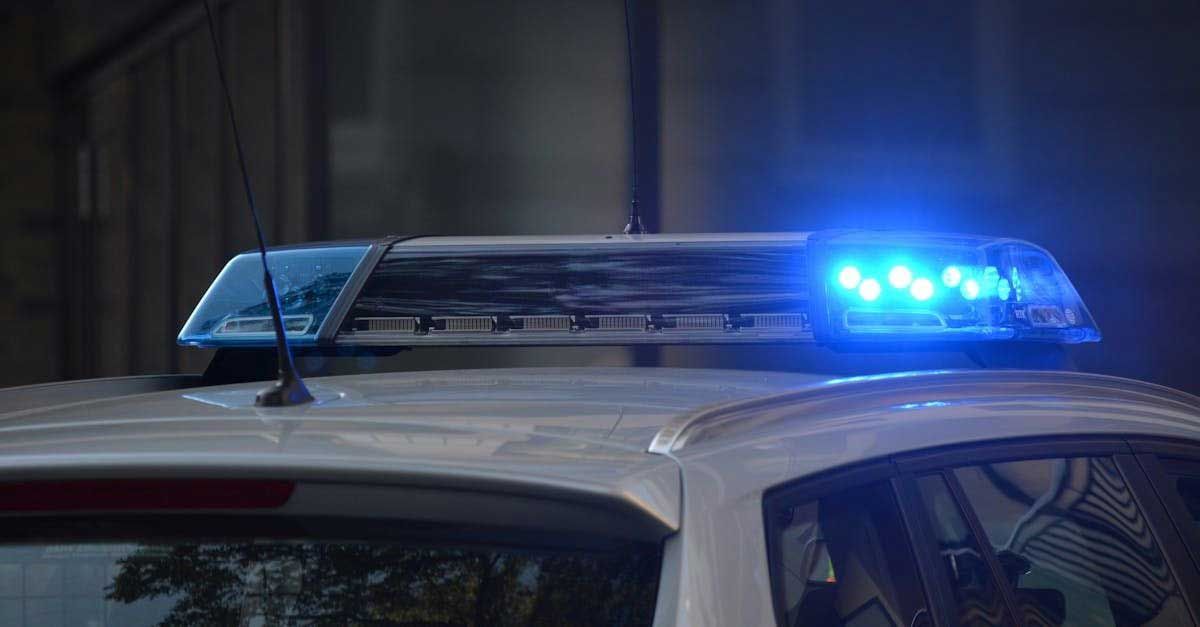
KSL News reported a tragic crash that occurred on Thursday, August 1, 2024, in Duchesne County, Utah. The news article reports that the victim and her friends were hit by a suspected DUI driver. The video of this crash scene shows the horrific damage to the vehicles. Our thoughts and prayers go out to the victims and their families, and we wish them all a speedy recovery. See, https://ksltv.com/668518/teen-faces-a-long-recovery-after-she-was-hit-by-a-suspected-dui-driver/ While a DUI crash may seem straightforward when it comes to liability, there are often other issues that come up for the victim and their loved ones in dealing with the aftermath of such a terrible crash. Here are just a few things that victims in cases like these should keep in mind: Auto Insurance Coverage : In Utah the State requires drivers to have at least $3,000.00 in Personal Injury Protection (PIP) coverage. This coverage is known as no-fault coverage since no matter who caused the accident, your own PIP coverage must be used to pay your initial medical bills. Additionally, the State of Utah only requires a minimum of $25,000.00 of bodily injury coverage (note that this amount is going up to $30,000.00 in 2025). That means that drivers can lawfully operate their vehicles with this minimum amount available to cover any bodily injury caused by their negligent driving (including driving under the influence of drugs or alcohol). As you can imagine, in a case like this one reported by KSL, the victims will have medical bills that far exceed this $25,000.00 minimum in coverage. Here is how this plays out for the injury victims: 1. PIP - the victim's PIP coverage pays medical bills up to their $3,000.00 limit (or higher if they have higher PIP coverage). 2. Bodily Injury (BI) Coverage - because the at-fault driver's BI insurance does not pay medical bills until the victim has completed all treatment, any medical bills beyond PIP will need to be submitted to the victim's own health insurance provider. This will ensure that the bills are paid and not sent to collections while the victim is still in treatment and recovering (which can take months or longer). Once the victim has finished treatment, all medical bills can be sent to the at-fault driver's BI insurance carrier for a lump sum settlement. But here is where we see the biggest problem in these types of cases: if the at-fault driver's BI coverage is only $25,000.00 (or even $50,000.00), and that amount is not enough to cover the victim's medical bills, what options do they have? Underinsured Motorist (UIM) Coverage: Accidents are unpredictable and can happen to anyone, at any time. While having insurance is a legal requirement and provides a safety net, it’s crucial to understand that not all insurance policies are created equal. One essential component of a robust insurance policy is underinsured motorist (UIM) coverage. Here’s why having good underinsured motorist coverage is important: 1. Protection Against Inadequate Insurance Despite mandatory insurance laws, many drivers carry only the minimum required liability insurance, which may not be sufficient to cover the costs of a serious accident. If you’re involved in an accident with an underinsured driver, their policy limits might be too low to cover your medical bills, property damage, and other expenses. Example: If the at-fault driver has a liability limit of $25,000, but your medical expenses alone amount to $50,000, you would be left with significant out-of-pocket costs. Good UIM coverage would help bridge this gap. 2. Comprehensive Medical Coverage Medical expenses following an accident can be exorbitant, encompassing emergency care, hospital stays, surgeries, rehabilitation, and ongoing treatment. Underinsured motorist coverage can help ensure that you receive the necessary medical care without facing financial hardship. Example: Your UIM coverage can help cover the cost of specialized treatments, physical therapy, or long-term care that might not be fully covered by the at-fault driver’s insurance. 3. Compensation for Lost Wages A severe accident can lead to time off work, either temporarily or permanently. Lost wages can compound the financial strain caused by medical bills and other expenses. Underinsured motorist coverage can provide compensation for lost income, helping to alleviate the financial burden during your recovery period. Example: If you’re unable to work for several months due to your injuries, your UIM coverage can help replace lost income, allowing you to focus on your recovery without worrying about financial instability. 4. Coverage for Pain and Suffering In addition to tangible costs like medical bills and lost wages, accidents can cause significant pain and suffering. This includes physical pain, emotional distress, and a reduced quality of life. Underinsured motorist coverage can provide compensation for these non-economic damages, offering some relief for the intangible impacts of an accident. Example: If you experience chronic pain or emotional trauma following an accident, UIM coverage can help compensate for these enduring challenges. 5. Protection for Passengers Your underinsured motorist coverage doesn’t just protect you—it also protects your passengers. If friends or family members are injured while riding in your vehicle, your UIM coverage can help cover their medical expenses and other associated costs. Example: If your child or a friend is injured in an accident caused by an underinsured driver, your UIM policy can help cover their medical treatment and recovery expenses. 6. Legal Peace of Mind Accidents involving underinsured drivers often lead to complex legal battles to recover adequate compensation. Having robust UIM coverage can simplify the process and reduce the need for protracted legal disputes. This coverage can expedite the claims process, allowing you to receive compensation more quickly. Example: Rather than pursuing a lengthy and costly lawsuit against an underinsured driver, your UIM coverage can provide immediate financial support, helping you avoid additional stress and legal expenses. 7. Financial Security Ultimately, good underinsured motorist coverage provides financial security in the face of the unexpected. It ensures that you and your loved ones are protected, even if the at-fault driver’s insurance falls short. This peace of mind is invaluable, knowing that you have a safety net in place. Example: In the event of a serious accident, your UIM coverage can prevent you from depleting your savings or going into debt to cover medical bills and other costs. Accidents involving underinsured drivers are more common than you might think, and the financial implications can be devastating. Having good underinsured motorist coverage is a critical aspect of a comprehensive insurance policy, offering protection and peace of mind when you need it most. It ensures that you’re not left financially vulnerable due to someone else’s inadequate insurance. At JDB Law PLLC, we advocate for responsible coverage and are here to help you understand and maximize your insurance benefits. If you have questions about your coverage or need assistance after an accident, contact us today for expert guidance and support.

KSL News reported on a near life threatening motorcycle accident that happened on June 29, 2024, near Ogden, Utah. While the focus of the article was the heartwarming and wonderful story about the victim being reunited with the off-duty nurse who stepped in to help save her life, the article also tells us how the driver of a motorcycle had to swerve to avoid what seemed to be a reckless driver resulting in a tragic injury for his daughter who was the passenger of the motorcycle. We wish the victim and her family well and hope the recovery continues to go well. See, https://ksltv.com/670405/woman-injured-in-crash-reunited-with-off-duty-nurse-who-stopped-to-help-her/ While liability seem clear in this accident, there are a few common pitfalls that motorcycle riders should keep in mind to make sure they have the best protection possible if the worst happens and they are the victim of a similar negligent driver who pulls out in front of them. Riding a motorcycle offers an unmatched sense of freedom and adventure, especially in the state of Utah with its beautiful canyons and endless roads. However, along with the thrill of riding comes the responsibility of ensuring you’re adequately protected. Accidents involving a motorcycle almost always result in serious bodily injury, or death. Motorcycle insurance is not just a legal requirement in Utah, it’s a critical safety net that can protect you financially in the event of an accident. As personal injury attorneys, we want to help riders understand the complexity of motorcycle insurance in Utah so they can make informed decisions and stay safe on the road. Motorcycle Insurance Requirements in Utah Utah law requires all motorcyclists to carry a minimum amount of liability insurance. This coverage is essential for protecting other drivers, passengers, and property if you are found at fault in an accident. The minimum liability coverage requirements in Utah are: $25,000 for bodily injury per person : This covers medical expenses and other costs if one person is injured in an accident. $65,000 for bodily injury per accident : This covers medical expenses and other costs if multiple people are injured in an accident. $15,000 for property damage : This covers damage to another person's property, such as a vehicle, building, or other objects. While these are the minimum requirements, they may not be sufficient to cover all expenses in the event of a serious accident. Many riders choose to carry higher limits or additional coverage to protect themselves fully since you cannot count on other drivers to carry more than the $25,000 minimum in bodily injury coverage. Optional Coverage to Consider While liability insurance is the only coverage required by law, there are several other types of coverage that Utah motorcyclists should consider to protect themselves more comprehensively: Uninsured/Underinsured Motorist Coverage (UM/UIM) : This coverage protects you if you’re involved in an accident with a driver who either doesn’t have insurance or doesn’t have enough insurance to cover your damages. Even though it is not required, it is highly recommended to take the extra step to get UM/UIM. Unfortunately there are a lot of people on the road who are either underinsured or don’t have insurance and the last thing you want is to be stuck with bills you can’t afford. And, we have had cases where our clients have decided to waive UM/UIM coverage with their agent. We strongly advise that motorcycle owners NOT waive this essential coverage! Personal Injury Protection (PIP) : Utah is a no-fault state, which means that your insurance should cover your medical expenses regardless of who is at fault in an accident. PIP gives you a minimum of $3,000 to go towards expenses you might have after an accident. However, unlike other motor vehicles, motorcycles are not required to have PIP coverage. Riders can opt-in for PIP, which covers medical expenses, lost wages, and other related costs. As with UM/UIM coverage, we strongly advise motorcycle owners to NOT waive their PIP coverage! Collision Coverage : Collision coverage pays for damage to your motorcycle resulting from a collision with another vehicle or object, regardless of who is at fault. This coverage is particularly valuable if your motorcycle is new or has a high market value. Comprehensive Coverage : Comprehensive coverage protects against non-collision-related damage, such as theft, vandalism, fire, or natural disasters. For those who store their bikes outside or in areas prone to extreme weather, comprehensive coverage is a smart investment. Medical Payments Coverage : Medical payments coverage, or MedPay, covers medical expenses for you and your passengers regardless of fault. This coverage can be an important supplement to health insurance, particularly in covering co-pays and deductibles. However, as long as you have good health insurance, MedPay may not be as important for motorcycle owners. Accessory Coverage : Motorcycles often come with custom parts and accessories that can be expensive to replace. Accessory coverage helps protect these items, including custom paint jobs, saddlebags, and upgraded parts, in the event of an accident or theft. What to Do After a Motorcycle Accident in Utah Even with comprehensive insurance coverage, the aftermath of a motorcycle accident can be overwhelming. Here’s what you should do if you’re involved in a motorcycle accident in Utah: Seek Medical Attention : Your health is the top priority. Even if you feel fine, it’s important to get checked out by a medical professional, as some injuries may not be immediately apparent. Report the Accident : Call the police and report the accident. Ensure that an official report is filed, as this will be important for any insurance claims or legal action. Gather Evidence : Take photos of the accident scene, including your motorcycle, any other vehicles involved, road conditions, and any visible injuries. Collect contact information from witnesses. Contact Your Insurance Company : Notify your insurance company of the accident as soon as possible. Be honest and thorough in your report, but avoid admitting fault, as this can complicate your claim. Consult a Personal Injury Attorney : If you’ve been injured in the accident, it’s advisable to consult with a personal injury attorney. They can help you navigate the claims process, negotiate with insurance companies, and ensure that you receive the compensation you deserve. At JDB Law PLLC, we advocate for responsible coverage and are here to help you understand and maximize your insurance benefits. If you have questions about your coverage or need assistance after an accident, contact us today for expert guidance and support.

